
The Price Tag We Don't See: The Environmental Impact of Fast Fashion

Scientists warn that we are currently on track for nearly 3°C of global warming this century, a level of warming that would fundamentally reshape life on Earth. Yet every day, industries built on overproduction and overconsumption continue operating as normal. One of the most damaging of these industries is fashion.
Fashion’s Environmental Footprint
The fashion industry is responsible for around 8–10% of global carbon emissions, more than all international flights and maritime shipping combined.
Each year, global textile production emits approximately 1.2 billion tonnes of greenhouse gases.
Greenhouse gases such as carbon dioxide and methane naturally help keep Earth habitable by trapping heat within the atmosphere. However, excessive emissions are driving rising global temperatures, which leads to climate change, rising sea levels, melting glaciers, and widespread ecosystem disruption.
But what does this actually mean in everyday terms?
Real-World Consequences
Climate change affects far more than just temperatures.
Agriculture becomes more difficult. Droughts, extreme heat and unpredictable weather reduce crop yields and threaten food security. Livestock are also increasingly harmed by rising temperatures.
Wildfires become more frequent and severe. Extreme heat and drought dramatically increase the risk of devastating fires, threatening both human communities and wildlife.
Polar regions are warming rapidly. The Arctic is warming at nearly twice the global average, causing glaciers and ice sheets to melt and accelerating rising sea levels.

This loss of Arctic ice also threatens the survival of polar bears, which rely on sea ice to hunt seals. Scientists predict that by 2100, most polar bear populations could disappear if greenhouse gas emissions continue at current levels.
Excess greenhouse gas emissions are not only harming ecosystems—they are threatening the future of life on our planet.
Water Consumption in Fashion
Fashion’s environmental impact extends far beyond carbon emissions.
The industry consumes an estimated 79–93 billion cubic metres of water each year, making it one of the largest industrial water users in the world. Textile dyeing and treatment alone are responsible for around 20% of global industrial wastewater.
As climate change makes clean water increasingly scarce, this level of consumption places enormous strain on natural resources. Over-extraction from rivers and lakes is already contributing to:
the destruction of wetlands
damaged aquatic ecosystems
increasing water scarcity for communities around the world
The Growing Waste Crisis
Every year, an estimated 92 million tonnes of textiles are discarded globally.
To put that into perspective, a truckload of clothing is sent to landfill or incinerated every second.

Much of this waste comes from synthetic materials such as polyester, which are non-biodegradable. When washed, these materials release microscopic plastic fibres known as microplastics into waterways.
These microplastics are consumed by marine life, causing:
intestinal blockages
reduced feeding
starvation and death
They are also entering the human food chain through contaminated water supplies. While the long-term health impacts are still being studied, researchers believe microplastics may contribute to hormone disruption, inflammation, and digestive problems.
The Human Cost Behind Our Clothes
Environmental damage is only part of the story. The fast fashion industry also has a troubling human cost.
In 2013, the world witnessed the tragic collapse of the Rana Plaza building in Bangladesh.

The day before the disaster, structural cracks were discovered in the eight-storey building. Shops and a bank located on the lower floors closed immediately for safety. However, garment factory workers were still ordered to return to work the next day.
When the building collapsed, 1,134 people were killed and thousands more were injured. Some survivors were forced to amputate their own limbs to escape the rubble.
The tragedy brought global attention to unsafe working conditions in the fashion industry and led to increased political pressure for building safety reforms in Bangladesh.
However, exploitation remains widespread.
Research suggests that around 93% of fashion brands fail to pay garment workers a living wage. In Bangladesh alone:
91% of garment workers struggle to afford enough food for themselves and their families
The Illusion of Cheap Fashion
The rapid rise of companies such as Shein, Temu, and ultra-cheap high street retailers has fuelled a culture of disposable fashion.
Extremely low prices make clothing feel almost disposable, masking the true environmental and human costs behind production.
When consumers pay less, communities and ecosystems often pay the price.
Fast fashion keeps prices low by reducing quality and speeding up production cycles. As a result:
People buy more clothing than ever before
Items are worn for shorter periods
More garments quickly end up in landfill
In fact, consumers today buy 60% more clothing than they did in 2000, but keep items for half as long.
Why Pre-Loved Fashion Matters
The good news is that there are simple ways to make a positive difference.
One of the most effective choices is buying pre-loved clothing.
Research from Oxfam shows that if the 1.6 billion unused items of clothing currently sitting in UK wardrobes were worn again, it would be enough to clothe the entire population of Manchester for 450 years.
Choosing pre-loved fashion helps to:
reduce demand for new manufacturing
lower carbon emissions
conserve water and energy
keep clothing out of landfill
Extending the life of a garment by just nine months can reduce its carbon, water and waste footprint by 20–30%.
Choosing second-hand clothing can reduce energy demand by up to 42% compared with buying new.
Our Mission: Fashion With Purpose
At Hayley’s CIC, we believe fashion can be both stylish and sustainable.
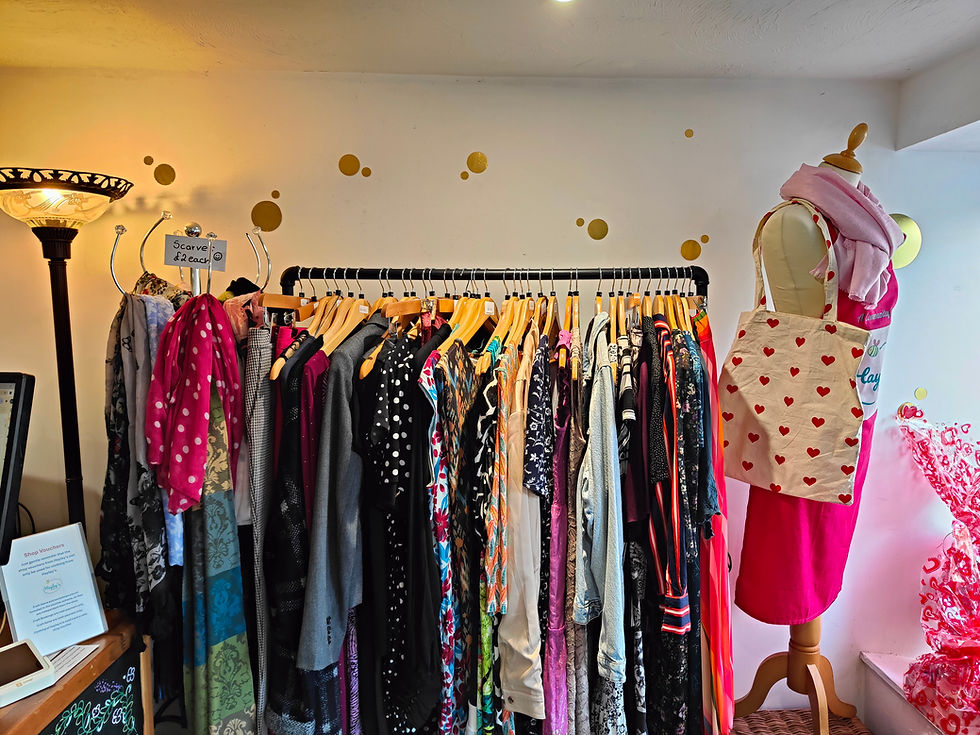
Our women’s boutique offers a carefully curated range of high-quality pre-loved clothing, with sizes ranging from 8 to 26. You will find beautiful pieces from brands such as Mint Velvet and Laura Ashley, alongside many popular high-street favourites.
We also host exciting Facebook sales events, including:
Rewind Wednesday A second chance to purchase items previously featured on First Look Thursday.
Fresh In Thursday Exclusive new pieces available only through our Facebook sales.
Friday Fit A hand-picked collection of outfits styled by Hayley herself.
As a Community Interest Company, every penny of profit is reinvested directly back into our community.
If you are local to Williton, West Somerset, and want to shop in a way that supports both people and the planet, we would love to welcome you to browse the rails in our boutique.
Or perhaps we will see you at our next Facebook sales night.
Because fashion should not cost the Earth.
Comments