
5 Easy Clothing Care Tips to Make Clothes Last Longer

The average garment in the UK is kept for just 2.2 years, yet WRAP research shows that extending clothing life by even nine months can cut its carbon, water, and waste footprint by up to 30%. The good news? Small care habits make a big difference. Here are 5 easy tips to help your clothes last longer.
Read (& follow) the care label
In the UK, your clothing care label will follow a strict order of 5 basic symbols to guide you in caring for your garments.
Washing:
This symbol indicates if your garment can be machine-washed, hand-washed, or not washed at all. The numbers represent the maximum temperature in degrees Celsius, and the lines underneath indicate the spin/agitation cycle.

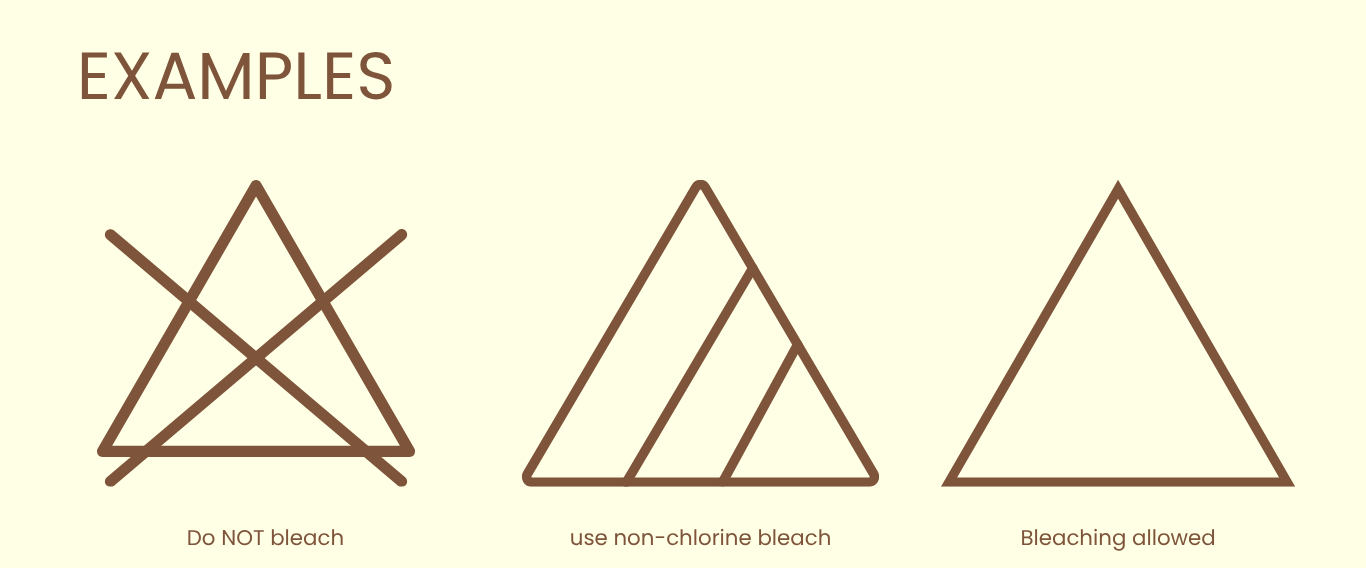
Bleaching:
This triangular symbol indicates if the garment can be bleached.
Drying:
The square symbol will indicate whether the garment can be tumble-dried or needs to be dried naturally.

Ironing:
This symbol provides safe guidance of heat settings if the garment can be ironed.

Professional Cleaning:
This final symbol provides dry or wet cleaning instructions for professionals.

Following these care instructions will help prevent your garments from shrinking, colours fading, and fibre damage.
Wash in cold water
Using gentle cycles that run at 20-30°C is the most effective and energy-efficient way to care for your clothes. For better cold washes;
Use a liquid detergent; powdered detergents may not fully dissolve in cold water, leaving your clothes with a residue.
Pre-treating stains with a quality stain remover will help the cycle lift them, since cold water is less aggressive on soils.
Avoid overloading and allow your clothes plenty of room to move so the water and detergent can circulate through the drum and the clothes effectively.
Don't over-wash your clothes
Levi's recommends washing your denim only after every 10 wears to keep your items fitting correctly and minimise sagging. This is because water expands the cotton fibres, causing shrinkage and a loss of stiffness. Between washes, you can use a damp cloth or a toothbrush with mild soap to remove small stains.
Other garments also benefit from reduced washing:
Garment | Wash frequency | Why |
Wool & cashmere | Every 3-5 wears | Hot water and spinning can shrink and permantly alter the shape of wool. |
Silk | Ait out after every wear, wash only when necessary | Silk is very sensitive to water, which can break down the fibres over time. Structured, lined or heavy silk should always be dry-cleaned. |
Tailored outerwear | Every 4-5 wears or once per season | The internal structure of a blazer or suit jacket contains pads and linings that rely on a rigid shape. Machine-washing can distort the structure. |
Leather & suede | Never machine wash | Water causes these materials to stiffen, crack and stain. |
Bras & shapewear | Every 3-4 wears | Hot water can damage the elastic. |
Air dry instead of tumble drying
Naturally drying your garments is highly effective and eco-friendly! Not only will it extend the lifespan of your fabric through reducing friction on the fibres, but it also reduces shrinkage, prevents static cling and significantly reduces your carbon footprint and household energy bills.
Air drying your clothes in the Summer, here in the UK, is easy, but during the colder winter months, you need to be strategic to prevent moisture buildup.
Position your clothes horse/airer in a well-ventilated room (e.g. a room with a window open, or a dehumidifier)
Hang clothes with an inch of space between each item to accelerate moisture evaporation and prevent mildew
Store clothes properly
Now that you have washed and dried your clothes, you need to store them in a cool, dark and dry environment to prolong the lifespan of each garment.
Knits and sweaters should be folded, as hanging can cause stretching on the shoulders and pull the item out of shape
Structured jackets and coats should be hung with shaped or wooden hangers to mimic the shape of your shoulders to maintain the structural integrity
Delicates and silks should be stored in cotton garment bags. Plastic bags trap humidity and can cause yellowing to the fabric
When storing items long-term, keep them flat and use acid-free tissue paper inside sturdy boxes
Using things like cedar blocks or lavender sachets is a great natural method to deter moths.
Taking care of your clothes doesn't have to be complicated, and as we've seen, small habits can make a surprisingly big difference. Reading care labels, washing smarter, cutting back on unnecessary loads, air-drying, and storing clothes properly can all add months (or even years) to the lifespan of your favourite pieces. With the average UK garment lasting only 2.2 years, a few simple changes can help you get more wear, more value, and less waste out of your wardrobe.
The best part? None of these tips requires extra time, money, or effort; just a little more intention in how you wash, dry, and store what you already own.
Got a clothing care tip of your own that's saved your favourite pieces? Drop it in the comments below, we'd love to hear what's worked for you!
FAQ's about clothing care tips
How often should I wash my clothes?
It depends on the item. Jeans and jumpers can typically go 4–6 wears between washes, t-shirts and everyday tops every 1–2 wears, and activewear or underwear after every use. Washing less often, when possible, helps fibres last longer and reduces wear and tear from the wash cycle itself.
Does washing in cold water actually clean clothes properly?
Yes. Most modern detergents are formulated to work effectively in cold water (30°C or lower), and for everyday dirt and sweat, cold washes are usually enough. Cold water also helps prevent shrinking, fading, and fibre damage, especially for delicates and dark colours.
How do I stop my clothes from pilling?
Pilling usually happens from friction in the wash or dryer. Turning clothes inside out before washing, using a gentle cycle, avoiding overloading the machine, and air-drying instead of tumble-drying can all help reduce pilling over time. A fabric shaver can also help remove pills from older garments.
Do I really need to follow the care label instructions?
Yes, care labels are based on the specific fabric and construction of the garment, so following them (wash temperature, drying method, and ironing setting) is one of the easiest ways to avoid accidental shrinking, colour loss, or fabric damage.
Is air-drying really better than using a tumble dryer?
In most cases, yes. Tumble dryers use high heat that weakens fibres over time and can cause shrinkage, especially in natural fabrics like cotton and wool. Air-drying is gentler on clothes and also saves energy.
What's the best way to store clothes to make them last longer?
Use padded or wooden hangers for structured items, fold knitwear rather than hang it (to avoid stretching), and store seasonal clothes with cedar blocks or lavender sachets to protect against moths. Keeping clothes clean and slightly loose (not overcrowded) in your wardrobe also helps preserve their shape.


Comments