
Vintage vs Retro vs Pre-Loved: What’s the Difference and Why Does It Matter?

If you've spent any time shopping for clothing, accessories or homeware, you've probably come across the terms vintage, retro and pre-loved. Although they're often used interchangeably, they each have a distinct meaning.
Understanding the difference can help you shop with confidence, whether you're searching for a one-of-a-kind vintage jacket, a retro-inspired dress or a high-quality second-hand bargain.
What Does "Vintage" Mean?
Produced 20 to 100 Years Ago
A genuine vintage item is typically between 20 and 100 years old. Anything newer is generally considered contemporary, while items over 100 years old are usually classified as antiques.
For example, clothing made during the 1980s, 1990s or early 2000s is now entering the vintage category, making these decades increasingly sought after by collectors and fashion enthusiasts.

Typical Characteristics
Vintage pieces are authentic items produced during the period they represent. Rather than recreating an earlier style, they are original garments or accessories from that era.
Common characteristics include:
Original labels and branding
High-quality materials and construction
Period-specific designs and cuts
Signs of age that add character without compromising quality
These details make vintage items unique and often impossible to replicate perfectly.
Examples in Fashion
Popular examples of vintage fashion include:
Levi's denim from the 1980s and 1990s
Leather jackets from the 1970s
Floral dresses from the 1960s
Designer handbags produced decades ago
Wool coats with traditional tailoring
Many shoppers appreciate vintage clothing because it offers timeless style alongside genuine history.
What Is Retro Style?
Inspired by Past Decades
Retro refers to modern items designed to capture the look and feel of previous decades. Unlike vintage, retro pieces are newly made but draw inspiration from classic styles.
For example, a dress manufactured this year with a 1950s silhouette is retro, not vintage.
Modern Reproductions
Many brands produce retro clothing using modern fabrics, sizing and manufacturing techniques. This allows shoppers to enjoy classic aesthetics with the comfort and convenience of contemporary production.
Retro fashion often includes brighter colours, updated fits and modern fabrics while maintaining a nostalgic appearance.
Popular Retro Trends Today
Current retro trends include:
1970s flared trousers
1980s oversized blazers
1990s denim and slip dresses
These styles continue to come back into fashion as trends evolve.

What Does Pre-Loved Mean?
The Rise of Second-hand Culture
Pre-loved simply means an item has had a previous owner. It may be nearly new, several years old or even vintage.
The term has become increasingly popular as more consumers embrace second-hand shopping through charity shops, online marketplaces and resale platforms.
Sustainability Benefits
Buying pre-loved helps extend the lifespan of products and reduces unnecessary waste. Choosing second-hand clothing also decreases demand for new manufacturing, helping to conserve resources and reduce environmental impact.
It is a practical way for shoppers to make more sustainable purchasing decisions without sacrificing style.

How to Identify Genuine Vintage Pieces
Labels
Original labels are often one of the strongest indicators of authenticity. Older logos, discontinued branding and country of manufacture can provide valuable clues about an item's age.
Researching vintage clothing labels can help confirm when a garment was produced.
Materials
Older garments frequently use materials that are less common today, including pure wool, heavy cotton, silk and high-quality leather.
Natural fibres and durable construction are often signs of genuine vintage clothing.
Craftsmanship
Vintage garments were often made with careful attention to detail. Features such as reinforced stitching, metal zips, lined interiors and quality buttons can indicate older manufacturing standards.
Well-made vintage clothing has often survived for decades because it was built to last.
Dating Items by Era
Fashion trends change over time, making it possible to estimate when an item was made by examining its cut, fabric, fastenings and overall design.
For example, shoulder pads may suggest the 1980s, while bold psychedelic prints often point towards the late 1960s or early 1970s.
Learning these characteristics becomes easier with experience and helps distinguish genuine vintage from modern reproductions.
Why Vintage and Pre-Loved Shopping Is More Popular Than Ever
Sustainability
Consumers are becoming increasingly aware of fashion's environmental impact. Buying vintage and pre-loved clothing helps reduce textile waste while supporting more responsible consumption.
Unique Style
Vintage shopping allows people to create individual wardrobes that stand apart from the high street. Many pieces are genuinely one of a kind, offering character that mass-produced clothing cannot match.
Cost Savings
Buying pre-loved can provide excellent value for money. High-quality brands and designer labels are often available at significantly lower prices than buying new.
For budget-conscious shoppers, second-hand purchasing offers affordability without compromising on quality.
Circular Fashion Trends
The growth of resale platforms, vintage boutiques and clothing exchanges reflects the rise of the circular fashion economy.
Instead of clothing being worn briefly and discarded, garments remain in use for longer through resale, reuse and repair. This approach benefits consumers, businesses and the environment alike.
Final Thoughts
Although vintage, retro and pre-loved are closely related, they each describe something different.
Vintage refers to authentic items produced between 20 and 100 years ago. Retro describes new products inspired by styles from the past. Pre-loved simply means an item has previously belonged to someone else.
Whether you're searching for a rare vintage treasure, embracing retro fashion or shopping pre-loved to make more sustainable choices, understanding these terms helps you make informed purchases and build a wardrobe with style, value and purpose.
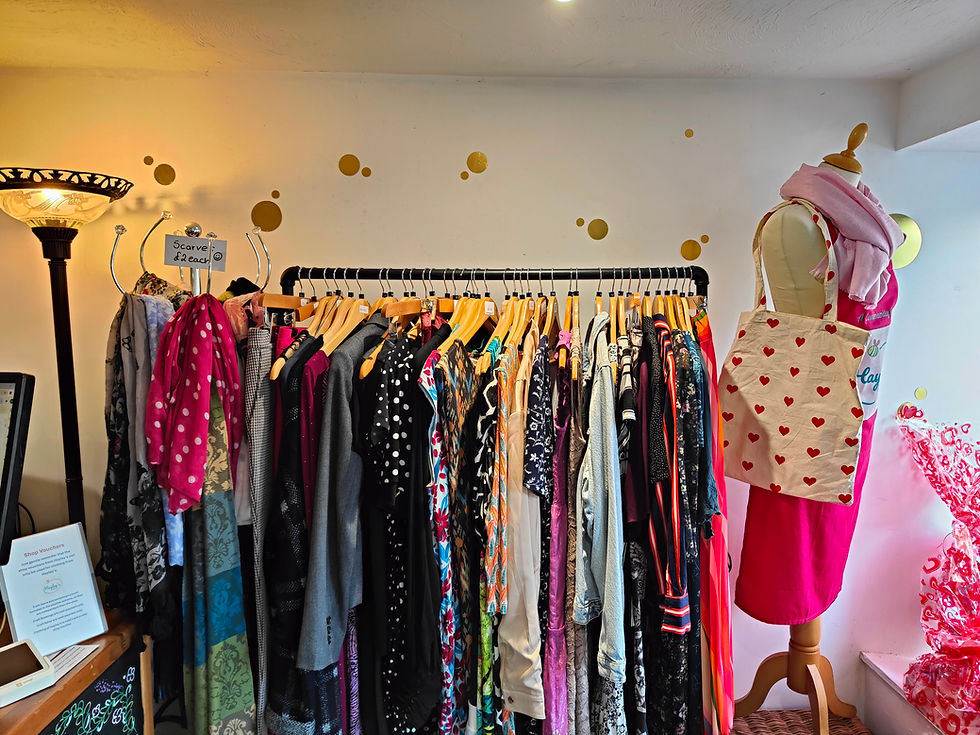
Head to Hayley's CIC in Williton to explore our pre-loved fashion boutique!
FAQ about Vintage vs Retro vs Pre-Loved
Is vintage the same as second-hand?
No. Vintage clothing is second-hand, but not all second-hand clothing is vintage. Vintage pieces are generally between 20 and 100 years old.
Is retro older than vintage?
No. Retro clothing is usually newly manufactured and designed to replicate styles from previous decades, while vintage clothing is genuinely from that period.
When does clothing become vintage?
Most fashion experts consider clothing to be vintage when it is between 20 and 100 years old.
Is pre-loved better than second-hand?
Both terms mean an item has had a previous owner. Many retailers use pre-loved because it sounds more positive and reflects the continued value of the item.
Is buying vintage more sustainable?
Yes. Buying vintage extends the lifespan of clothing, reduces waste and supports a circular fashion economy by keeping garments in use for longer.


Comments