
Art and Longevity: Could Creativity Be the Secret to a Longer Life?

What if I told you that one of the keys to a long, healthy life wasn’t found in a supplement, a strict diet, or a new fitness trend — but in the arts?
It may sound romantic, but compelling research suggests there’s real science behind the idea.
A 14-year longitudinal study published in The BMJ examined whether engaging in the arts was associated with longevity. Researchers Daisy Fancourt (Associate Professor of Psychobiology and Epidemiology) and Andrew Steptoe (Professor of Psychology and Epidemiology) analysed data from 6,710 adults aged 50 and above in England.
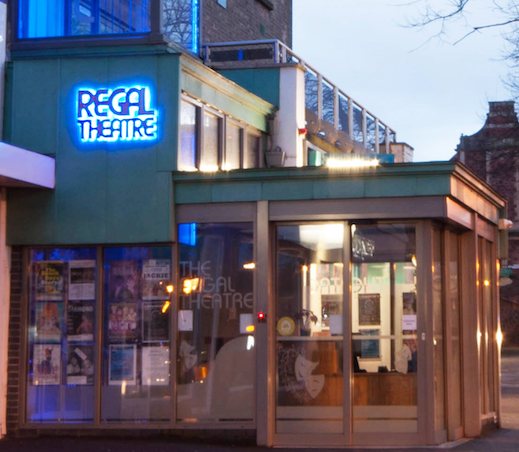
Importantly, this was not about being a professional artist. The researchers focused on receptive arts engagement — attending the theatre, concerts, opera, museums, galleries, or exhibitions.
The Results: A Clear Association
The findings were striking.
Compared with those who did not engage in the arts:
Individuals who attended arts events once or twice a year had a 14% lower risk of death.
Those who attended every few months or more had a 31% lower risk of death.
Even after adjusting for wealth, physical health, lifestyle behaviours, and social factors, the association remained significant.
This was not proof that art directly causes longer life — the study was observational — but the strength and consistency of the association demand attention.
Why Would Art Influence Longevity?
We typically associate longevity with diet, exercise, sleep, and genetics. Cultural engagement rarely enters the conversation. Yet the mechanisms behind this association are both biologically and psychologically plausible.
1. Cognitive Stimulation & Brain Resilience
Engaging with art stimulates multiple brain regions simultaneously — memory, emotion, interpretation, and critical thinking.
Over time, this builds what researchers call cognitive reserve — the brain’s resilience against ageing and neurodegeneration. Greater cognitive reserve is associated with reduced risk of cognitive decline and dementia.
In short: cultural engagement may help keep the brain adaptable and robust.
2. Social Connection & Belonging
Arts experiences are rarely solitary. Theatre performances, concerts, and exhibitions create shared experiences.
Social isolation is a well-established risk factor for increased mortality. Regular arts attendance fosters:
Community participation
Social interaction
A sense of belonging
Connection is one of the most powerful predictors of long-term wellbeing — and art provides a natural pathway to it.

3. Mobility & Physical Activation
Attending events requires planning, movement, and leaving the house. Even moderate activity contributes to better long-term health outcomes.
Arts engagement may reflect — and reinforce — an active, engaged lifestyle.
4. Emotional Regulation & Purpose
Art also supports emotional health.
Cultural experiences can:
Reduce stress
Lower cortisol levels
Provide meaning and inspiration
Enhance positive emotional states
Chronic stress accelerates biological ageing. Activities that foster joy, awe, and reflection may counteract that effect.
Longevity is not purely biological — it is deeply psychological.
Important Caveats
It’s essential to approach the findings with nuance.
The study shows association, not causation.
Arts engagement was self-reported.
Frequency was measured at one time point.
However, even after controlling for socioeconomic status, health conditions, and behaviours, the protective association remained strong.
That consistency suggests something meaningful is at play.
Rethinking Healthy Ageing
Perhaps the most powerful takeaway is this:
Longevity may not only be about adding years to life, but life to years.
We often treat art as a luxury, but this research suggests it may be closer to a protective health behaviour. And the threshold for benefit wasn’t extreme. Even attending an arts event once or twice a year was associated with reduced mortality risk.
You don’t need to be an artist; you just need to participate.
Maybe the path to a longer life isn’t found solely in optimising biomarkers — but in remaining curious, connected, and culturally engaged.
The arts may not just enrich our lives.
They may quietly extend them.

Comments